
Dark Neck: Causes, Treatment Options and When to See a Dermatologist Recent Posts All Posts Acne Acne Scar Botox Chemical Peel Treatment Dark circle Hair Care Hair PRP Hair Treatments HydraFacial Melasma Pigmentation Skin & Hair Care Skin Tanning Summer Skincare Dark Neck: Causes, Treatment Options and When to See a Dermatologist How to Prevent Acne Marks From Getting Darker Botox: What It Treats and How Long Results Last Hair Fall in Women: 10 Common Causes and Treatments Why Acne Scars Happen and the Best Ways to Treat Them उन्हाळ्यात त्वचेचा काळपटपणा (Tanning) कसा टाळावा? Dark Circles Under Your Eyes: 7 Real Causes, Proven Treatments & When to See a Doctor How Many PRP Sessions Are Needed for Hair Growth? Laser Treatment for Pigmentation: Cost, Results, and Side Effects Many people notice that the skin on their neck looks darker than their face, sometimes with a rough or velvety feel. It is often mistaken for dirt, so people scrub harder. A dark neck is common in Indian skin, and while it is often harmless, it can sometimes point to a health issue such as insulin resistance. Here is a simple guide to dark neck causes and treatment, and the signs that mean you should get it checked. What Is a Dark Neck? A dark neck is an area of skin on the back or sides of the neck that is darker than the skin around it. It may be flat and smooth, or thick and velvety, sometimes with small skin tags. It is not contagious, and it is not something you can scrub away. What Causes a Dark Neck? The most common cause of a dark, velvety neck is acanthosis nigricans, a skin condition often linked to excess weight and insulin resistance. Friction, sun exposure and skin irritation can also darken the neck. 1. Acanthosis Nigricans and Insulin Resistance Acanthosis nigricans causes thick, dark, velvety skin in body folds such as the neck, armpits and groin. It is most often linked with: Excess body weight Insulin resistance, prediabetes or type 2 diabetes Hormonal conditions such as PCOS or an underactive thyroid The American Academy of Dermatology notes that it can be a sign of prediabetes, so a dark, velvety neck is worth taking seriously. 2. Certain Medicines Some medicines, such as oral steroids and certain hormone treatments, including some contraceptive pills, can trigger similar darkening. Never stop a prescribed medicine without asking your doctor. 3. Friction From Collars and Chains Constant rubbing from tight collars, chains or helmet straps can irritate the skin and slowly darken it. Sweat in hot, humid weather can add to the irritation. 4. Sun Exposure and Tanning The neck is often missed when applying sunscreen. Daily sun exposure, such as during two wheeler commutes, can tan the back of the neck over time. 5. Darkening After Rashes or Infections Eczema, allergic reactions to perfume or hair dye, and fungal infections can leave dark marks behind once they settle. This is called post-inflammatory hyperpigmentation and is more noticeable in brown skin. Our article on why dark marks can turn darker over time explains how this kind of pigment behaves. Is a Dark Neck a Sign of Diabetes? A dark neck can be an early sign of insulin resistance or prediabetes, but it does not mean you have diabetes. Only blood tests can confirm that. If you have a velvety dark neck along with excess weight, PCOS or a family history of diabetes, it is a good reason to get your blood sugar checked. According to the NHS, the patches should fade over time once the underlying cause is treated. What Are the Treatment Options for a Dark Neck? Treatment starts with finding and managing the cause. Skin treatments can improve colour and texture, but work better when the underlying problem is also addressed. Treating the Underlying Cause Weight management through regular activity and balanced meals, if weight is a factor Managing blood sugar, thyroid or hormone problems with your physician Reviewing medicines that may be contributing Treating any fungal infection or rash that is present Skin Treatments a Dermatologist May Consider Once the cause is clear, a dermatologist may suggest one or more of these, based on your skin: Prescription creams with retinoids or exfoliating acids such as salicylic or glycolic acid, to soften thick skin and lighten colour Chemical peels done in the clinic over planned sessions Laser treatment in selected cases, to reduce thickness or pigment Daily sunscreen and gentle skin care to prevent further darkening Results take time and depend on the cause. Some patches lighten well, while others improve only partly. You can read more about how laser works on pigmentation and its possible side effects before deciding. What Can You Do at Home for a Dark Neck? Home care cannot cure a dark neck, but it can stop it from getting worse. Do not scrub hard. Scrubbing does not remove this pigment and can irritate the skin. Avoid lemon, baking soda or bleaching creams on the neck, as they can irritate or burn the skin. Apply sunscreen to your neck, not just your face. Choose loose, breathable collars and remove chains when you can. Stay active and cut down on sugary drinks and refined snacks. When Should You See a Dermatologist for a Dark Neck? See a dermatologist if the darkening is new, spreading or not improving with basic care. A dark, velvety neck that appears suddenly always needs a medical evaluation. Book a checkup if you notice: Dark, thick or velvety skin that appears suddenly or spreads quickly Similar patches in the armpits, groin or other folds Increased thirst, frequent urination, tiredness or irregular periods Unexplained weight loss or loss of appetite Darkening in a child or teenager Rarely, sudden and widespread acanthosis nigricans in someone who is not overweight can be linked to an internal illness. DermNet notes that such abrupt onset needs further investigation. Frequently Asked Questions 1. Can a dark neck go away on its own?

How to Prevent Acne Marks From Getting Darker
How to Prevent Acne Marks From Getting Darker Recent Posts All Posts Acne Acne Scar Botox Chemical Peel Treatment Dark circle Hair Care Hair PRP Hair Treatments HydraFacial Melasma Pigmentation Skin & Hair Care Skin Tanning Summer Skincare How to Prevent Acne Marks From Getting Darker Botox: What It Treats and How Long Results Last Hair Fall in Women: 10 Common Causes and Treatments Why Acne Scars Happen and the Best Ways to Treat Them उन्हाळ्यात त्वचेचा काळपटपणा (Tanning) कसा टाळावा? Dark Circles Under Your Eyes: 7 Real Causes, Proven Treatments & When to See a Doctor How Many PRP Sessions Are Needed for Hair Growth? Laser Treatment for Pigmentation: Cost, Results, and Side Effects A pimple may disappear, but the dark mark it leaves behind can sometimes stay for weeks or even months. This is especially common in people with medium to darker skin tones. These flat brown or dark patches are often a type of post-inflammatory hyperpigmentation (PIH), rather than a permanent acne scar. The good news is that simple changes in your skincare routine can help prevent acne marks from becoming darker. The most important steps are controlling active acne, protecting your skin from sunlight, avoiding picking or squeezing pimples, and choosing products that do not unnecessarily irritate your skin. What Causes Acne Marks to Get Darker? When acne becomes inflamed, the skin can produce more melanin as part of its response to inflammation. Once the pimple heals, this extra pigment may remain as a dark spot. Several factors can make these marks more noticeable or prolong their appearance: Sun and visible light exposure Picking, squeezing or scratching pimples Ongoing acne and repeated inflammation Harsh scrubs or irritating skincare products Using too many active ingredients at once Not treating acne early Skin irritation caused by unsuitable products PIH is more commonly seen in darker skin tones and can remain visible long after the original acne has cleared. How to Prevent Acne Marks From Getting Darker 1. Use Sunscreen Every Day One of the most important steps is protecting your skin from sunlight. UV exposure can make existing pigmentation darker. Visible light can also contribute to hyperpigmentation, particularly in people with darker skin tones. Dermatologists generally recommend a broad-spectrum sunscreen with SPF 30 or higher. For people concerned about pigmentation, a tinted sunscreen containing iron oxide may provide additional protection against visible light. For acne-prone skin, look for a sunscreen labelled non-comedogenic, meaning it is less likely to clog pores. Apply sunscreen before going outdoors and reapply as needed, especially after sweating or swimming. 2. Do Not Pick or Squeeze Pimples It can be tempting to squeeze a pimple when it looks ready to disappear. However, picking or squeezing increases inflammation and can raise the risk of both discoloration and acne scarring. Instead, allow the acne lesion to heal and use an appropriate acne treatment. 3. Treat Acne Early Preventing new acne is an important part of preventing new dark marks. Every new inflamed pimple can potentially leave pigmentation behind. Early acne treatment can help reduce breakouts and the inflammation that contributes to post-inflammatory hyperpigmentation. Depending on the type of acne, dermatologists may recommend ingredients such as: Benzoyl peroxide Salicylic acid Adapalene or another topical retinoid Azelaic acid Azelaic acid can be particularly useful because it can help manage acne while also helping fade the dark spots left behind after acne. The right treatment depends on your acne type, skin sensitivity and other factors, so avoid starting multiple active products at the same time. 4. Keep Your Skincare Routine Gentle More aggressive skincare does not necessarily mean faster results. Scrubbing, rubbing or using harsh products can irritate acne-prone skin and potentially make inflammation worse. Dermatologists recommend gentle cleansing and avoiding unnecessary irritation. A basic routine can include: Morning Gentle cleanser Moisturiser if needed Broad-spectrum SPF 30+ sunscreen Night Gentle cleanser Dermatologist-recommended acne or pigmentation treatment Moisturiser You do not need to use numerous serums or exfoliants to manage acne marks. 5. Be Careful With Home Remedies Lemon juice, baking soda, toothpaste and other DIY remedies are often promoted as quick solutions for acne. They can irritate the skin and may make pigmentation concerns more difficult to manage. Instead of trying harsh home remedies, use products with ingredients that have a recognised role in acne management and pigmentation care. If your skin starts burning, peeling excessively or becoming very irritated after using a product, stop using it and seek professional advice. 6. Avoid Changing Products Too Frequently Acne and pigmentation usually do not improve overnight. Changing products every few days can irritate your skin and make it difficult to understand what is actually helping. Some acne treatments can take several weeks before noticeable improvement occurs. Give an appropriate skincare routine enough time to work unless you develop significant irritation or your dermatologist advises otherwise. 7. Choose Non-Comedogenic Products If you have acne-prone skin, choose skincare and makeup products labelled non-comedogenic or won’t clog pores. Heavy or oily products may contribute to breakouts in some people. Preventing new breakouts is important because fewer inflamed pimples can mean fewer opportunities for new dark marks to develop. Can Acne Marks Be Completely Prevented? Not always. Some people naturally develop post-inflammatory hyperpigmentation more easily, particularly those with darker skin tones. The severity of the original inflammation, individual skin response and acne treatment can all influence whether a dark mark develops. However, treating acne early, avoiding picking and using consistent sun protection can significantly help reduce the factors that contribute to persistent dark marks. How Can You Lighten Existing Acne Marks? If an acne mark has already developed, it may gradually become lighter with time. However, persistent pigmentation may benefit from dermatological treatment. Depending on the skin and the type of pigmentation, a dermatologist may consider ingredients such as azelaic acid, retinoids or other pigmentation treatments. In selected cases, procedures such as chemical peels, microdermabrasion or laser-based treatments may also be considered. These treatments should not be chosen without assessing the skin first.

Botox: What It Treats and How Long Results Last
Botox: What It Treats and How Long Results Last Recent Posts All Posts Acne Acne Scar Botox Chemical Peel Treatment Dark circle Hair Care Hair PRP Hair Treatments HydraFacial Melasma Pigmentation Skin & Hair Care Skin Tanning Summer Skincare Botox: What It Treats and How Long Results Last Hair Fall in Women: 10 Common Causes and Treatments Why Acne Scars Happen and the Best Ways to Treat Them उन्हाळ्यात त्वचेचा काळपटपणा (Tanning) कसा टाळावा? Dark Circles Under Your Eyes: 7 Real Causes, Proven Treatments & When to See a Doctor How Many PRP Sessions Are Needed for Hair Growth? Laser Treatment for Pigmentation: Cost, Results, and Side Effects Most people have heard of Botox, but far fewer understand what it actually does inside the body or why its effects fade after a while. If you’re weighing whether to try it, the two questions that matter most are simple: what can it realistically treat, and how long will the results hold up? Botox has both cosmetic and medical applications, and the honest answer to both questions depends on the person, the treated area, and how the body responds over time. This article walks through what Botox is, what it can and cannot do, and the factors that determine how long its effects typically last. What Is Botox? Botox is a brand name for a purified form of botulinum toxin type A, a substance produced by the bacterium Clostridium botulinum. In carefully measured, medical-grade doses, it’s used to temporarily block the signals that nerves send to specific muscles. When injected into a targeted muscle, Botox interrupts the release of a chemical messenger called acetylcholine, which nerves normally use to tell muscles to contract. Without that signal, the muscle relaxes and becomes less active. This is why it can soften wrinkles caused by repeated muscle movement, and why it’s also used for certain medical conditions involving overactive muscles or nerves. The effect is not permanent. Nerve signaling gradually returns over time, which is why Botox needs to be repeated if someone wants to maintain results. What Does Botox Treat? Botox for Facial Wrinkles The most familiar use of Botox is cosmetic, particularly for lines that form from repeated facial expressions. Common treatment areas include: Forehead lines, caused by raising the eyebrows Frown lines between the eyebrows, sometimes called the “elevens” Crow’s feet around the outer corners of the eyes These are known as dynamic wrinkles because they form from muscle movement rather than from sun damage or skin thinning alone. By reducing activity in the muscles responsible, Botox can soften the appearance of these lines, though it does not address wrinkles caused purely by loss of skin elasticity. Medical Uses of Botox Botox also has approved medical applications, depending on a person’s diagnosis and clinical evaluation. These include: Chronic migraine Excessive sweating (hyperhidrosis) Certain types of muscle spasticity Overactive bladder Specific movement disorders involving involuntary muscle contractions Not everyone with these conditions is automatically a candidate. Suitability is determined by a healthcare provider after a proper assessment. How Does Botox Work? The process is easier to understand when broken into steps: Nerves send chemical signals that tell muscles when to contract. Botox temporarily blocks that signal at the injection site. The targeted muscle becomes less able to contract fully. Reduced muscle activity can soften certain wrinkles or ease specific medical symptoms, depending on the treatment goal. Over time, nerve signaling gradually returns, and the muscle regains its normal activity. This is a localized, temporary effect. It does not alter nerves or muscles permanently. When Do Botox Results Start Showing? Botox is not instant. Most people begin noticing subtle changes within a few days, with results typically becoming more visible over the following one to two weeks as the treated muscles gradually relax. Full results are usually assessed around the two-week mark. The exact timing can vary based on the treatment area, the individual’s muscle activity, and how their body responds to the injection. It’s common for a provider to schedule a follow-up around this point to check the outcome. How Long Does Botox Last? For most people, Botox results typically last around three to four months, though this can range shorter or longer depending on individual factors. Results are not permanent, and effects gradually fade rather than disappearing all at once. Several elements influence how long results hold: Factor How It May Affect Results Treatment area Different muscle groups may respond and recover differently Muscle activity More active muscles may cause effects to fade sooner Individual response Metabolism and biology vary from person to person Treatment history Repeated treatments over time may influence future duration Provider technique Proper assessment and injection technique can affect outcomes Because of this variability, two people receiving similar treatments may notice results lasting different lengths of time. What Happens When Botox Wears Off? Botox doesn’t wear off suddenly. As nerve signaling gradually returns, the treated muscle regains its normal range of movement, and any wrinkles or symptoms that had improved may slowly become noticeable again. It’s worth understanding that Botox does not permanently change the muscle or stop the natural aging process. Once its effects fade, the area returns to how it functioned before treatment. If someone wants to maintain results, a follow-up treatment may be considered, based on medical advice. How Often Do You Need Botox? There’s no fixed schedule that applies to everyone. Treatment frequency depends on: How long previous results lasted for that individual The area being treated Whether the goal is cosmetic or medical The provider’s clinical assessment Some people return every three to four months, while others may wait longer. A qualified provider is best positioned to recommend timing based on how someone’s body has responded previously, rather than following a generic interval. What Factors Can Affect How Long Botox Lasts? Several variables influence duration beyond just the treatment area: Muscle strength and activity – stronger or more frequently used muscles may metabolize the effect faster Individual metabolism – how quickly the
Hair Fall in Women: 10 Common Causes and Treatments
Hair Fall in Women: 10 Common Causes and Treatments Recent Posts All Posts Acne Acne Scar Chemical Peel Treatment Dark circle Hair Care Hair PRP Hair Treatments HydraFacial Melasma Pigmentation Skin & Hair Care Skin Tanning Summer Skincare Hair Fall in Women: 10 Common Causes and Treatments Why Acne Scars Happen and the Best Ways to Treat Them उन्हाळ्यात त्वचेचा काळपटपणा (Tanning) कसा टाळावा? Dark Circles Under Your Eyes: 7 Real Causes, Proven Treatments & When to See a Doctor How Many PRP Sessions Are Needed for Hair Growth? Laser Treatment for Pigmentation: Cost, Results, and Side Effects Losing a little hair every day is completely normal — most people shed anywhere from 50 to 100 strands daily as part of the natural hair growth cycle. But when hair fall becomes noticeably heavier, or when you start seeing thinning patches, a widening part, or clumps of hair in the shower drain, it’s a sign that something deeper may be going on. Hair fall in women can stem from a wide range of causes, from hormonal shifts to nutritional gaps to underlying medical conditions. The good news is that most causes are identifiable and treatable, especially when addressed early. This guide walks through the ten most common causes of hair fall in women and the treatment options that can help restore healthier, fuller hair. Why Hair Fall in Women Deserves Special Attention Hair loss patterns in women often differ from those in men. Rather than receding hairlines or bald spots, women more commonly experience diffuse thinning across the scalp, a widening center part, or an overall reduction in hair volume. Because the causes are so varied — spanning hormones, lifestyle, and health conditions — pinpointing the exact reason is key to choosing an effective treatment. 10 Common Causes of Hair Fall in Women 1. Hormonal Imbalances Fluctuations in estrogen and progesterone — due to pregnancy, childbirth, menopause, or conditions like PCOS — can disrupt the hair growth cycle and trigger noticeable shedding. 2. Telogen Effluvium (Stress-Related Shedding) Physical or emotional stress, major surgery, illness, or a sudden shock to the body can push a large number of hair follicles into the “resting” phase prematurely, leading to excessive shedding a few months later. 3. Nutritional Deficiencies Low levels of iron, vitamin D, zinc, biotin, or protein can weaken hair follicles and slow down hair growth. Crash dieting or restrictive eating patterns are common culprits. 4. Thyroid Disorders Both hypothyroidism and hyperthyroidism can interfere with the hair growth cycle, often causing thinning across the entire scalp rather than in specific patches. 5. Androgenetic Alopecia (Female Pattern Hair Loss) This genetic form of hair loss causes gradual thinning, typically along the crown or part line, and tends to run in families. 6. Postpartum Hair Loss Many women experience noticeable shedding a few months after giving birth, as hormone levels return to pre-pregnancy levels. This is usually temporary and resolves within several months. 7. Excessive Styling and Heat Damage Frequent use of heat styling tools, chemical treatments, and tight hairstyles like tight ponytails or braids can weaken hair shafts and contribute to breakage and traction alopecia. 8. Underlying Medical Conditions Autoimmune conditions like alopecia areata, as well as chronic illnesses, can trigger hair loss as a symptom rather than a standalone issue. 9. Medications Certain medications — including some used for blood pressure, depression, and hormonal birth control — can list hair loss as a side effect. 10. Scalp Conditions Dandruff, fungal infections, or chronic scalp inflammation can affect follicle health and contribute to hair thinning if left untreated. How Hair Fall Is Diagnosed Because so many factors can contribute to hair fall, an accurate diagnosis usually involves: A detailed medical and family history A physical scalp examination Blood tests to check hormone levels, thyroid function, iron, and vitamin levels In some cases, a scalp biopsy or trichoscopy for a closer look at hair follicles Identifying the specific cause is essential, since treatment for hormonal hair loss looks very different from treatment for a nutritional deficiency or a scalp infection. Effective Treatments for Hair Fall in Women 1. Topical Treatments Minoxidil, one of the most well-researched topical treatments, helps stimulate hair follicles and is commonly recommended for female pattern hair loss. 2. Nutritional Supplementation When deficiencies are identified through blood work, targeted supplementation with iron, biotin, vitamin D, or zinc can support healthier hair regrowth over time. 3. Hormonal Treatment For hair fall linked to conditions like PCOS or thyroid imbalances, addressing the underlying hormonal issue often leads to significant improvement in hair health. 4. PRP (Platelet-Rich Plasma) Therapy This treatment uses a concentration of your own platelets, injected into the scalp, to stimulate hair follicles and encourage regrowth. It has gained popularity as a non-surgical option with minimal downtime. 5. Low-Level Laser Therapy (LLLT) LLLT devices, whether handheld or in-clinic, use red light to stimulate blood flow to hair follicles and support the growth phase of hair. 6. Prescription Medications In some cases, dermatologists may prescribe medications that target hormonal causes of hair loss, particularly for androgenetic alopecia. 7. Lifestyle and Scalp Care Adjustments Reducing heat styling, avoiding tight hairstyles, managing stress, and using gentle, scalp-friendly hair care products can all support healthier hair over time. 8. Treating Underlying Scalp Conditions Addressing dandruff, fungal infections, or inflammation with appropriate topical or medicated treatments helps restore a healthy environment for hair growth. A dermatologist can combine several of these approaches into a personalized treatment plan based on your specific diagnosis and hair loss pattern. When to See a Dermatologist While some hair shedding is normal, it’s worth consulting a dermatologist if you notice: Sudden or excessive hair shedding Visible thinning or a widening part Bald patches or uneven hair loss Hair fall accompanied by scalp itching, redness, or flaking No improvement despite dietary or lifestyle changes Early evaluation makes treatment more effective and can prevent further hair loss down the line. Tips to Support Healthy Hair Growth Eat a balanced diet rich in protein,
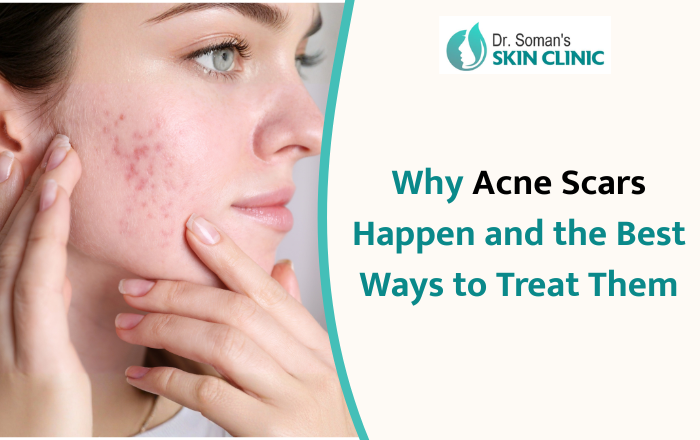
Why Acne Scars Happen and the Best Ways to Treat Them
Why Acne Scars Happen and the Best Ways to Treat Them Recent Posts All Posts Acne Acne Scar Chemical Peel Treatment Dark circle Hair PRP Hair Treatments HydraFacial Melasma Pigmentation Skin & Hair Care Skin Tanning Summer Skincare Why Acne Scars Happen and the Best Ways to Treat Them उन्हाळ्यात त्वचेचा काळपटपणा (Tanning) कसा टाळावा? Dark Circles Under Your Eyes: 7 Real Causes, Proven Treatments & When to See a Doctor How Many PRP Sessions Are Needed for Hair Growth? Laser Treatment for Pigmentation: Cost, Results, and Side Effects You finally got rid of that stubborn pimple. You waited, you resisted the urge to pop it, and now it’s gone. But now there’s something else staring back at you in the mirror a dark mark, a pit, or an uneven patch of skin that just won’t budge. Sound familiar? Acne scars are one of the most common skin concerns, yet so many people don’t know why they happen or what actually works to treat them. The good news? They are treatable. You just need the right information and the right help. Let’s break it all down in simple terms. What Are Acne Scars — and Are They Really Permanent? First things first — not everything left behind by a pimple is a true acne scar. There are two things people often confuse: Acne marks are flat, dark or reddish spots left after a pimple heals. These are caused by pigmentation changes and can fade on their own over weeks or months. Acne scars, on the other hand, involve actual changes in the skin’s texture and structure — think pits, indentations, or raised bumps. These don’t go away on their own, because the damage goes deeper than the surface. So no, true acne scars are not permanent — but they do need proper treatment to improve. Why Do Acne Scars Form in the First Place? When a pimple becomes inflamed, it damages the skin tissue underneath. Your skin then tries to repair itself by producing collagen. When it produces too little collagen, you get a depressed scar (like a pit). When it produces too much, you get a raised scar. Some people are simply more prone to scarring because of their genetics, skin tone, or because they pick and pop their pimples (we’ve all been guilty of this). Delayed treatment of acne also increases the chance of scarring significantly. The 4 Main Types of Acne Scars Icepick scars — deep, narrow holes in the skin Boxcar scars — wide, shallow craters with defined edges Rolling scars — give skin a wavy, uneven appearance Hypertrophic or keloid scars — raised, thick scars caused by excess collagen Knowing which type of acne scar you have is the first step toward treating it correctly. The Best Treatments for Acne Scars That Actually Work There is no single magic solution for acne scar treatment — but there are several proven options depending on your scar type and skin type. 1. Chemical Peels Chemical peels use acids like glycolic or salicylic acid to remove the top layer of skin and encourage fresh skin growth. They work well for surface-level scars and dark marks. Multiple sessions are usually needed. 2. Microneedling Tiny needles create controlled micro-injuries in the skin, which triggers collagen production. This is one of the most popular treatments for acne scars, especially for rolling and boxcar scars. RF (radiofrequency) microneedling takes this a step further by delivering heat energy deep into the skin. 3. Laser Treatment Fractional CO2 lasers resurface the skin and stimulate collagen rebuilding. This is highly effective for deeper acne scars but requires some downtime. The right laser depends on your skin tone and scar depth. 4. Subcision This is a minor procedure where a needle is inserted under the scar to break the fibrous bands pulling the skin down. It’s particularly effective for rolling scars and is often combined with other treatments. 5. Dermal Fillers For deep, depressed scars, fillers can temporarily plump up the skin and reduce the appearance of indentations. Results are visible immediately but need maintenance. 6. Topical Treatments Products with retinoids, Vitamin C, or niacinamide can help fade dark marks and support skin renewal — but they work slowly and cannot fix deep acne scars on their own. They’re great for maintenance alongside clinical treatments. Do Home Remedies Work for Acne Scars? Honestly? For true acne scars, not really. Lemon juice, turmeric, and aloe vera may help with minor pigmentation, but they cannot change the texture of your skin or repair collagen damage. Some home remedies can even irritate your skin and make things worse. If your scars are bothering you and haven’t improved in months, it’s time to stop guessing and speak to a dermatologist. How Long Does Acne Scar Treatment Take? Results depend on how deep your scars are and which treatments you use. Mild marks may fade in 4–8 weeks. Moderate scars typically take 3–6 months. Deep or severe acne scars may need 6–12 months of consistent treatment with a combination of approaches. The key is patience and consistency. Talk to Dr. Vallari Soman — Dermatologist & Cosmetologist If you’re tired of trying products that don’t deliver results, it’s time to get a real answer. Dr. Vallari Soman, Dermatologist & Cosmetologist, helps patients understand exactly what type of acne scars they have and builds a treatment plan that actually fits their skin. No guesswork. No wasted money. Just honest, results-focused skin care. Book your consultation with Dr. Vallari Soman today and take the first real step toward skin you feel confident in. FAQs About Acne Scars Q: Can acne scars go away without treatment? Flat pigmentation marks may fade over time, but textural acne scars involving pits or raised tissue need treatment to improve. Q: What is the best treatment for deep acne scars? A combination of subcision, fractional laser, and microneedling tends to give the best results for deep acne scar treatment. Q: Is acne scar treatment painful? Most treatments are
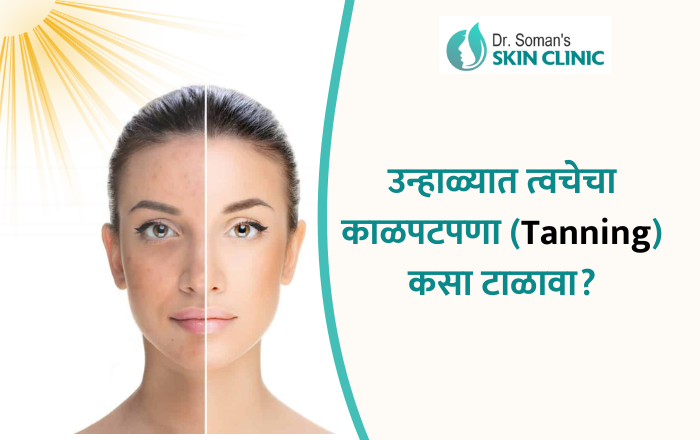
उन्हाळ्यात त्वचेचा काळपटपणा (Tanning) कसा टाळावा?
उन्हाळ्यात त्वचेचा काळपटपणा (Tanning) कसा टाळावा? Recent Posts All Posts Acne Chemical Peel Treatment Dark circle Hair PRP Hair Treatments HydraFacial Melasma Pigmentation Skin & Hair Care Skin Tanning Summer Skincare उन्हाळ्यात त्वचेचा काळपटपणा (Tanning) कसा टाळावा? Dark Circles Under Your Eyes: 7 Real Causes, Proven Treatments & When to See a Doctor How Many PRP Sessions Are Needed for Hair Growth? Laser Treatment for Pigmentation: Cost, Results, and Side Effects उन्हाळा सुरू झाला की, कडक ऊन आणि घामामुळे आपण हैराण होतो. सुट्ट्यांचा आनंद घेताना किंवा कामासाठी बाहेर पडताना आपल्या मनात एकच भीती असते, ती म्हणजे त्वचेचा काळपटपणा कमी करणे कसे शक्य होईल? कितीही स्कार्फ बांधला किंवा छत्री घेतली, तरी उन्हाच्या झळा त्वचेपर्यंत पोहोचतातच. घरी आल्यावर आरशात पाहिलं की चेहरा निस्तेज आणि काळवंडलेला दिसू लागतो. पण काळजी करू नका! उन्हाळ्यात त्वचेची काळजी कशी घ्यावी आणि नैसर्गिक पद्धतीने पुन्हा ग्लो कसा मिळवावा, याबद्दलची संपूर्ण माहिती आपण आजच्या या लेखात पाहणार आहोत. उन्हामुळे त्वचा काळी का पडते? (Why Tanning Happens?) आपल्याला वाटते की टॅनिंग म्हणजे फक्त रंगात झालेला बदल आहे, पण त्यामागे एक वैज्ञानिक कारण आहे. जेव्हा आपण सूर्याच्या अतिनील (UV) किरणांच्या संपर्कात येतो, तेव्हा आपली त्वचा स्वतःचे संरक्षण करण्यासाठी ‘मेलेनिन’ नावाचे रंगद्रव्य जास्त प्रमाणात तयार करू लागते. यामुळे त्वचा गडद दिसते. खरं तर, त्वचेचा काळपटपणा कमी करणे ही केवळ सौंदर्याची गोष्ट नसून, त्वचेला आतून निरोगी ठेवण्याची प्रक्रिया आहे. उन्हामुळे त्वचा काळी का पडते? (Why Tanning Happens?) आपल्याला वाटते की टॅनिंग म्हणजे फक्त रंगात झालेला बदल आहे, पण त्यामागे एक वैज्ञानिक कारण आहे. जेव्हा आपण सूर्याच्या अतिनील (UV) किरणांच्या संपर्कात येतो, तेव्हा आपली त्वचा स्वतःचे संरक्षण करण्यासाठी ‘मेलेनिन’ नावाचे रंगद्रव्य जास्त प्रमाणात तयार करू लागते. यामुळे त्वचा गडद दिसते. खरं तर, त्वचेचा काळपटपणा कमी करणे ही केवळ सौंदर्याची गोष्ट नसून, त्वचेला आतून निरोगी ठेवण्याची प्रक्रिया आहे. उन्हाळ्यात टॅनिंग टाळण्यासाठी नियम उन्हापासून पूर्णपणे वाचणे कठीण असले तरी, योग्य खबरदारी घेतल्यास आपण टॅनिंग नक्कीच रोखू शकतो. यासाठी खालील नियम पाळा: १. योग्य सनस्क्रीनची निवड उन्हाळ्यात त्वचेची काळजी घेताना सनस्क्रीन हे तुमचे सर्वात मोठे शस्त्र आहे. बाजारात अनेक प्रकारची सनस्क्रीन उपलब्ध आहेत, पण भारतासारख्या उष्ण हवामानात SPF 30 किंवा त्यापेक्षा जास्त असलेले ‘ब्रॉड-स्पेक्ट्रम’ सनस्क्रीन वापरणे आवश्यक आहे. हे तुम्हाला UVA आणि UVB या दोन्ही घातक किरणांपासून वाचवते. २. वेळेचे गणित पाळा सकाळी ११ ते दुपारी ४ या वेळेत सूर्याची किरणे सर्वात प्रखर असतात. या काळात घराबाहेर पडणे टाळल्यास टॅनिंग घालवण्याचे उपाय शोधण्याची गरजच उरणार नाही. जर बाहेर जाणे अनिवार्य असेल, तर सावलीचा आधार घ्या. ३. संरक्षक कपड्यांचा वापर केवळ क्रीम लावून चालत नाही. आपल्या त्वचेला प्रत्यक्ष उन्हापासून वाचवण्यासाठी सुती आणि फिकट रंगाचे कपडे निवडा. चेहरा झाकण्यासाठी स्कार्फ, डोळ्यांसाठी गॉगल्स आणि डोक्यावर टोपी किंवा छत्रीचा वापर केल्याने त्वचेचा काळपटपणा कमी करणे सोपे जाते. ४. हायड्रेशन आहे महत्त्वाचे बाहेरून कितीही उपाय केले, तरी त्वचा आतून हायड्रेटेड असणे गरजेचे आहे. उन्हाळ्यात शरीरातील पाणी कमी झाल्यामुळे त्वचा कोरडी आणि काळी पडते. दिवसातून किमान ८-१० ग्लास पाणी प्या आणि आहारात काकडी, टरबूज यांसारख्या फळांचा समावेश करा. टॅनिंग घालवण्यासाठी प्रभावी घरगुती उपाय जर तुमची त्वचा आधीच काळवंडली असेल, तर टॅनिंग घालवण्याचे उपाय म्हणून तुम्ही स्वयंपाकघरातील या वस्तू वापरू शकता: दही आणि बेसन: दोन चमचे बेसनात एक चमचा दही मिसळून पेस्ट तयार करा. ही पेस्ट चेहऱ्याला लावून २० मिनिटांनी धुवून टाका. दह्यातील लॅक्टिक ॲसिडमुळे काळपटपणा दूर होण्यास मदत होते. बटाट्याचा रस: बटाटा नैसर्गिक ब्लीचिंग एजंट मानला जातो. बटाट्याचा रस काढून तो कापसाने काळ्या पडलेल्या भागावर लावा. त्वचेचा काळपटपणा कमी करणे यासाठी हा सर्वात स्वस्त आणि मस्त उपाय आहे. कोरफड (Aloe Vera): रात्री झोपण्यापूर्वी फ्रेश कोरफड जेल लावल्याने उन्हामुळे आलेली जळजळ कमी होते आणि त्वचा मऊ राहते. काही महत्त्वाचे फॅक्ट्स आणि आकडेवारी UV इंडेक्स: ढगाळ हवामान असले तरीही ८०% सूर्यकिरणे तुमच्या त्वचेला हानी पोहोचवू शकतात. त्यामुळे ऊन नसेल तरी सनस्क्रीन लावणे विसरू नका. सनस्क्रीनचा वापर: बहुतेक लोक एकदा सनस्क्रीन लावले की दिवसभर निर्धास्त राहतात. पण प्रत्यक्षात, दर २-३ तासांनी ते पुन्हा लावणे (Re-application) गरजेचे असते, तरच उन्हाळ्यात त्वचेची काळजी योग्य प्रकारे घेतली जाते. वारंवार विचारले जाणारे प्रश्न (FAQs) १. सनस्क्रीन घरात असतानाही लावणे गरजेचे आहे का? हो, खिडकीतून येणारी सूर्यकिरणे आणि लॅपटॉप/मोबाईल स्क्रीनचा प्रकाशही त्वचेवर परिणाम करू शकतो. त्यामुळे घरात असतानाही हलके सनस्क्रीन लावावे. २. लिंबाचा रस थेट चेहऱ्याला लावावा का? लिंबूमध्ये व्हिटॅमिन सी असते, पण ते खूप ॲसिडिक असते. थेट लिंबू लावल्याने काहींना जळजळ होऊ शकते. त्यामुळे तो नेहमी गुलाब पाणी किंवा मधात मिसळूनच वापरावा. ३. टॅनिंग पूर्णपणे जाण्यासाठी किती वेळ लागतो? हे तुमच्या त्वचेच्या प्रकारावर आणि तुम्ही घेत असलेल्या काळजीवर अवलंबून असते. साधारणपणे २ ते ४ आठवड्यांत फरक जाणवू लागतो. निष्कर्ष उन्हाळा हा फिरण्याचा आणि मजा करण्याचा ऋतू आहे, पण आपल्या त्वचेकडे दुर्लक्ष करून चालणार नाही. वर दिलेले टॅनिंग घालवण्याचे उपाय आणि उन्हाळ्यात त्वचेची काळजी घेण्याच्या पद्धती वापरून तुम्ही तुमची त्वचा टवटवीत ठेवू शकता. लक्षात ठेवा, घरगुती उपाय हे सुरुवातीच्या टप्प्यासाठी चांगले असतात. पण जर तुमची त्वचा खूपच जास्त काळी पडली असेल, रॅशेस येत असतील किंवा नेहमीचे उपाय करूनही फरक पडत नसेल, तर त्वचेच्या डॉक्टरांची भेट घेणे महत्त्वाचे ठरते. टॅनिंगमुळे त्रस्त आहात? आता काळजी सोडा! पुण्यातील कडक उन्हामुळे जर तुमची त्वचा खराब झाली असेल, तर आम्ही तुम्हाला डॉ. सोमन स्किन क्लिनिक (Dr. Soman’s Skin Clinic) ला भेट देण्याचा सल्ला देऊ. येथे डॉ. वल्लरी सोमन (Consultant Dermatologist & Cosmetologist) या अत्यंत साध्या आणि प्रभावी पद्धतीने तुमच्या त्वचेची तपासणी करतात. कर्वे नगर भागात त्यांचे क्लिनिक असून, टॅनिंग कमी करण्यासाठी लागणारे योग्य उपचार आणि क्रीम्सबद्दल त्या योग्य मार्गदर्शन करतात. केवळ घरगुती उपायांवर अवलंबून न राहता, तुमच्या त्वचेला नेमकी कशाची गरज आहे हे जाणून घेण्यासाठी एकदा त्यांची भेट नक्की घ्या. Name – Dr. Vallari Soman | Dermatologist in Karvenagar | Skin & Hair Clinic Address: SHOP No 8, Laxmi terraces, near Paythan Footwear shop, Karvenagar, Pune, Maharashtra 411052 Phone: 88309 79364 मनात काही प्रश्न आहेत? आमच्याशी व्हॉट्सॲपवर संपर्क साधण्यासाठी — येथे क्लिक करा.
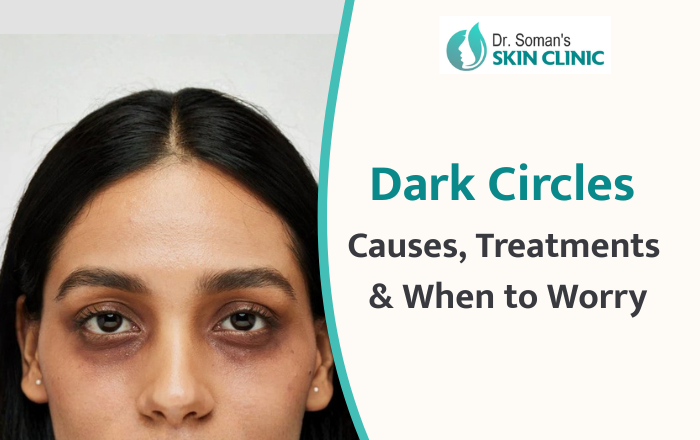
Dark Circles Under Your Eyes: 7 Real Causes, Proven Treatments & When to See a Doctor
Dark Circles Under Your Eyes: 7 Real Causes, Proven Treatments & When to See a Doctor Recent Posts All Posts Acne Chemical Peel Treatment Dark circle Hair PRP Hair Treatments HydraFacial Melasma Pigmentation Skin & Hair Care Summer Skincare Dark Circles Under Your Eyes: 7 Real Causes, Proven Treatments & When to See a Doctor How Many PRP Sessions Are Needed for Hair Growth? Laser Treatment for Pigmentation: Cost, Results, and Side Effects Healthy Skin Starts with Expert Care Are dark circles under eyes making you look exhausted even after a full night’s sleep? You wake up, glance in the mirror, and there they are — those stubborn shadows sitting right under your eyes, making you look years older than you feel. Sound familiar? You’re not alone. Dark circles are one of the most common skin concerns people deal with — across all ages, skin tones, and lifestyles. The good news? Once you understand why they’re there, fixing them becomes a whole lot easier. In this blog, we’re breaking down everything you need to know — from the real causes of dark circles under eyes, to treatments that actually work, to knowing when those shadows might be telling you something more serious. What Exactly Are Dark Circles? Dark circles are the darkened areas of skin that appear beneath the lower eyelids. They can look bluish, purplish, brownish, or even reddish — depending on your skin tone and the underlying cause. Here’s something most people don’t know: dark circles and eye bags are not the same thing. Eye bags are caused by puffiness or swelling. Dark circles are about discolouration — a change in skin tone under the eye area. People with deeper skin tones, including South Asians, tend to experience periorbital hyperpigmentation (the medical term for dark circles) more frequently due to naturally higher melanin activity in the skin. 7 Real Causes of Dark Circles (It’s Not Always About Sleep) 1. Sleep Deprivation Yes, losing sleep does make dark circles under eyes worse. When you don’t sleep enough, your skin turns pale, making the blood vessels beneath your eyes more visible — which creates that bluish shadow. But sleep alone is rarely the only cause. 2. Genetics — The Cause You Can’t Sleep Off If your parents had dark circles, chances are you will too. Genetics is actually the biggest factor behind dark circles, accounting for up to 63% of cases. If it runs in your family, lifestyle changes alone may not fully solve the problem. 3. Allergies & Nasal Congestion Ever noticed your dark circles get worse during allergy season? That’s called the allergy shiner effect. When you’re congested, blood pools in the veins around your eyes, creating a darker appearance. Rubbing itchy eyes also makes things worse by breaking tiny blood vessels. 4. Dehydration When your body is dehydrated, the skin under your eyes looks dull, sunken, and darker. The under-eye area is one of the thinnest skin areas on your face — so even mild dehydration shows up here first. 5. Sun Exposure & Melanin Overproduction UV rays trigger excess melanin production, and the delicate skin around the eyes is especially vulnerable. Skipping sunscreen around the eye area? That could be making your dark circles significantly worse over time. 6. Ageing & Volume Loss As you age, the fat pads beneath your eyes shrink, and the skin loses collagen and elasticity. This creates a hollow look — a shadow that looks just like dark circles but is actually a structural change in your face. 7. Nutritional Deficiencies Low levels of iron, Vitamin B12, or Vitamin K can all lead to dark circles under eyes. Iron-deficiency anaemia alone affects over 1.6 billion people globally and is one of the most overlooked causes of dark circles, especially in women. Home Remedies That Actually Work Not all home remedies are created equal. Here’s what genuinely helps: Cold compresses — Reduces puffiness and temporarily shrinks dilated blood vessels. Use chilled cucumber slices or a cold spoon for 10 minutes each morning. Vitamin C serums — One of the most effective topical ingredients for brightening dark circles. Vitamin C fades pigmentation and boosts collagen. Apply under your eyes daily. Sleep position — Sleeping on your back with your head slightly elevated prevents fluid from pooling under your eyes overnight. Hydration and diet — Drink enough water and eat iron-rich foods like spinach, lentils, and eggs. Simple, but genuinely effective for deficiency-related dark circles. Sunscreen under the eyes — The most underrated step. Use a broad-spectrum SPF every single morning, even indoors near windows. What doesn’t work: Raw potato juice, tea bags, and lemon juice have little to no scientific backing for dark circles. Save yourself the mess. Clinical Treatments for Dark Circles When home remedies aren’t enough — especially for genetic dark circles or pigmentation-type dark circles — dermatologists have several effective options: Topical treatments — Prescription creams containing retinol, kojic acid, or niacinamide help reduce periorbital hyperpigmentation over time with consistent use. Chemical peels — Mild peels containing glycolic or lactic acid help resurface the skin and reduce dark circle pigmentation. Laser therapy — Targets melanin deposits directly. Highly effective for brown-toned dark circles caused by excess pigmentation. Dermal fillers — Hyaluronic acid fillers restore volume in the tear trough area. Ideal if your dark circles are caused by hollowing rather than pigmentation. PRP therapy — Uses your own platelet-rich plasma to regenerate skin under the eyes. Excellent for thin, crepey skin contributing to dark circles. When Should You Actually Worry About Dark Circles? Most dark circles are harmless. But sometimes, they’re a sign that something else is going on. See a dermatologist if: Your dark circles appeared suddenly, with no lifestyle explanation They’re getting progressively worse despite making healthy changes You notice swelling, pain, or vision changes alongside dark circles Children in your family have persistent, severe dark circles (often linked to allergies or anaemia) You feel constantly fatigued — this could signal thyroid issues, kidney problems, or severe
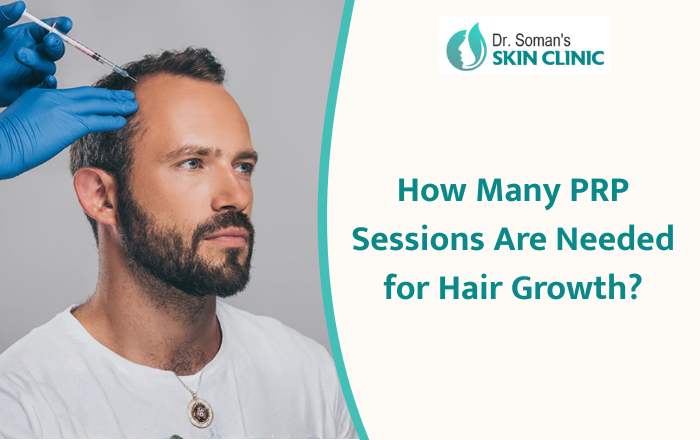
How Many PRP Sessions Are Needed for Hair Growth?
Losing hair can feel frustrating — and a little scary. You notice more strands on your pillow, in the shower drain, or along your hairline, and suddenly the mirror becomes your worst enemy. If you’ve been researching solutions, chances are you’ve come across PRP therapy. And your first real question is probably: “How many PRP sessions are needed for hair growth?” That’s exactly what we’re going to answer today honestly, simply, and without the confusing medical jargon. What Is PRP Hair Treatment? PRP (Platelet-Rich Plasma) hair treatment is a natural, non-surgical procedure where your own blood is used to stimulate hair growth. A small amount of blood is drawn, processed to concentrate the growth-promoting platelets, and injected into areas of the scalp where hair is thinning. Because it uses your own blood, the body accepts it well and side effects are rare. It works best for people experiencing: Early to mid-stage hair thinning Male or female pattern baldness Postpartum hair loss General hair density loss How Many PRP Sessions Are Needed for Hair Growth? Here’s the straightforward answer: most people need 3 to 6 PRP sessions to see meaningful hair regrowth. That said, the exact number depends on your hair loss stage and how your body responds to treatment. The Standard PRP Session Schedule Phase Frequency Duration Initial Treatment Once a month 3–4 months Maintenance Every 3–6 months Ongoing Visible Results After 2–3 sessions 3–6 months For mild hair thinning, 3 PRP sessions for hair growth may be enough to see noticeable improvement. For moderate or long-standing hair loss, 4 to 6 sessions — sometimes more — deliver the best outcome. What Affects the Number of Sessions? Five things influence how many sessions you personally need: Stage of hair loss — earlier stages respond faster Age — younger patients often see quicker results Root cause — hormonal or stress-related loss may need more sessions Your platelet quality — some people naturally have stronger growth factors Lifestyle habits — poor diet and sleep can slow results When Will You See Results? Realistic Timeline This is where patience becomes your best friend. Month 1–2: Less hair falling out — this is your first positive sign Month 3–4: Fine new hairs begin to appear at the hairline Month 4–6: Hair looks visibly thicker and fuller Month 6–12: Full results show; maintenance sessions keep them going 📊 According to research published in the Journal of Cutaneous and Aesthetic Surgery, over 74% of patients reported significant improvement in hair density after completing a PRP treatment course. PRP hair treatment results don’t happen overnight — but they are real, and they build over time. How Long Do Results Last? PRP hair growth results can last anywhere from 12 to 18 months with proper maintenance. Without follow-up sessions, results can fade — not because the treatment failed, but because the scalp needs ongoing stimulation. Most dermatologists recommend: Every 3–4 months during the first year Every 6 months for long-term maintenance Skipping maintenance is the biggest reason people feel PRP “stopped working.” It didn’t — the treatment just needs to continue. Is PRP Safe? What About Side Effects? PRP therapy for hair loss is considered very safe. Since it uses your own blood, there’s no risk of allergic reaction. Temporary side effects may include: Mild scalp soreness for 24–48 hours Slight redness or swelling at injection spots Occasional minor bruising These usually go away on their own within a day or two. Tips to Get Better Results from Each Session Small habits make a big difference: ✅ Drink plenty of water before your session ✅ Eat protein-rich foods regularly ✅ Avoid alcohol 48 hours before treatment ✅ Don’t use NSAIDs like ibuprofen before your appointment ❌ Avoid chemical hair treatments for a week after each session FAQ — Your Top Questions Answered Q: Is 3 PRP sessions enough for hair regrowth? For mild hair thinning, yes — 3 sessions can produce visible results. For moderate loss, 4 to 6 sessions are typically recommended. Q: How far apart should PRP sessions be? During the initial phase, sessions are spaced 4 weeks apart. Maintenance sessions happen every 3 to 6 months. Q: Can PRP regrow completely lost hair? PRP for hair regrowth works best on follicles that are still alive but dormant. Fully dead follicles cannot be revived. Early treatment gives you the best shot. Q: Does PRP hurt? A numbing cream is applied before the procedure. Most patients feel mild discomfort — not pain. Sessions take about 45–60 minutes. Q: What is the success rate of PRP for hair loss? Clinical studies show 70–80% of suitable candidates see measurable improvement in hair thickness and density. Ready to Stop Hair Loss and Start Regrowing? If you’ve been putting off doing something about your hair loss, this is your sign to take that first step. Dr. Soman’s Skin Clinic, led by Dr. Vallari Soman — Consultant Dermatologist and Cosmetologist — is a trusted destination for PRP hair treatment in Karvenagar, Pune. Dr. Vallari Soman brings real clinical experience to every consultation, giving you an honest picture of what PRP treatment for hair growth can do for your specific situation. No guesswork. No false promises. Just genuine medical guidance and a treatment plan that’s built around your hair and your goals. 📍 Dr. Soman’s Skin Clinic, Karvenagar, Pune 👉 Book your PRP hair consultation with Dr. Vallari Soman today — and take the first real step toward thicker, healthier hair.
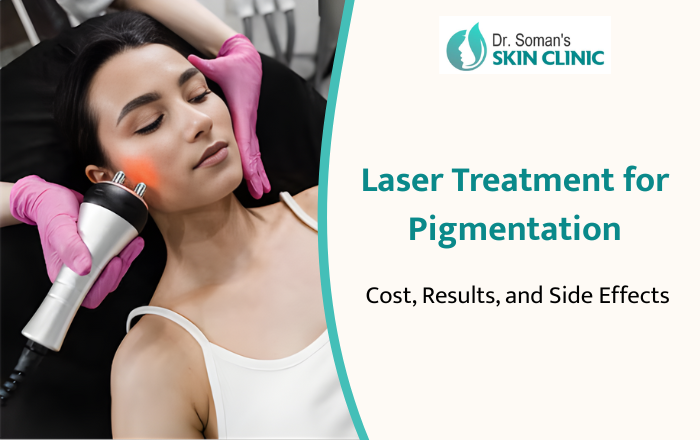
Laser Treatment for Pigmentation: Cost, Results, and Side Effects
Laser Treatment for Pigmentation: Cost, Results, and Side Effects Recent Posts All Posts Acne Chemical Peel Treatment Hair Treatments HydraFacial Melasma Pigmentation Skin & Hair Care Summer Skincare Laser Treatment for Pigmentation: Cost, Results, and Side Effects Healthy Skin Starts with Expert Care Skin & Hair Care January 6, 2026 Are you tired of covering dark patches on your face with layers of makeup every single day? You’re definitely not alone. Nearly 30% of adults deal with stubborn pigmentation issues like melasma, age spots, and sun damage that just won’t fade, no matter how many creams you try. laser treatment for pigmentation has become one of the most effective solutions for skin discoloration that refuses to go away. But before you book that appointment, you probably have questions running through your mind—How much will it cost? Will it actually work on my skin? What about side effects? In this blog, we’ll walk through everything you need to know about laser pigmentation removal—from real costs to actual results and potential side effects. Let’s dive in. What Causes Pigmentation on Your Skin? Before we talk about treatment, let’s understand why pigmentation happens in the first place. Your skin produces melanin, which gives it color. Sometimes, this production goes into overdrive, creating dark spots or patches. Common causes include: Sun exposure – UV rays trigger excess melanin Hormonal changes – pregnancy, birth control pills Aging – natural wear and tear on skin Acne scars – inflammation leaves dark marks behind Genetics – some people are simply more prone The most common types are melasma (those stubborn brown patches), sun spots (age spots), and post-inflammatory hyperpigmentation from old acne or injuries. How Does Laser Treatment for Pigmentation Work? Think of laser treatment for pigmentation as a smart eraser for your skin. The laser sends targeted light energy into your skin, which breaks down the melanin clusters causing those dark spots. Your body then naturally gets rid of these broken-down pigment particles over the following weeks. Different lasers work at different depths: Q-Switched Nd:YAG Laser – goes deeper for stubborn pigmentation Pico Laser – newer technology with less downtime IPL (Intense Pulsed Light) – works well for widespread pigmentation Fractional CO2 Laser – resurfaces skin while treating pigmentation Your dermatologist will choose the right type based on your skin tone, pigmentation depth, and treatment goals. This is especially important for Indian skin tones, as the wrong laser can actually make pigmentation worse. Laser Treatment for Pigmentation Cost: What You’ll Actually Pay Let’s talk numbers because this is probably your biggest question. In India, here’s what you can expect: Per session: ₹3,000 to ₹15,000 Complete treatment package: ₹20,000 to ₹80,000 What affects the cost? Type of laser used – Pico lasers cost more than traditional options Area being treated – small spots vs. full face makes a difference Number of sessions needed – usually 4 to 8 sessions Your location – metro cities typically charge more Dermatologist’s experience – skilled doctors charge appropriately for their expertise Most people need multiple sessions spaced 4-6 weeks apart. While the pigmentation laser treatment cost might seem high upfront, compare it to years of buying creams that don’t work laser treatment for pigmentation often proves more cost-effective in the long run. What Results Can You Actually Expect? Let’s be honest about the timeline because laser pigmentation removal isn’t magic—it’s science, and science takes time. Here’s what happens: Right after treatment: Your skin might look red or the spots may even look darker temporarily Week 1-2: Pigmented areas start to flake off Week 4-6: You’ll notice lighter, more even skin tone Month 3-6: Best results show after completing all sessions Clinical studies show that laser treatment for pigmentation achieves 70-90% improvement for most people. Sun spots and age spots respond best, while melasma can be trickier and might need touch-ups. How long do results last? Typically 1-5 years, depending on how well you protect your skin from the sun afterward. Yes, sun protection becomes your new best friend—non-negotiable! Side Effects: What You Should Know Every treatment has risks, and being informed helps you make better decisions. Common side effects (usually temporary): Redness and swelling for 2-7 days Crusting or scabbing as skin heals Temporary darkening before lightening Mild burning sensation Increased sun sensitivity Rare but serious side effects: Post-inflammatory hyperpigmentation (new dark spots, especially on darker skin) Hypopigmentation (lighter patches where treated) Scarring if not done correctly Infection if you don’t follow aftercare instructions Studies show that when performed by qualified dermatologists, serious side effects happen in less than 2% of cases. The key is choosing an experienced professional who understands your skin type. Who Should Get Laser Treatment? You’re a good candidate if: Creams and serums haven’t worked for you Your skin is healthy with no active breakouts or infections You can commit to sun protection after treatment You have realistic expectations (no overnight miracles!) You’re not pregnant or breastfeeding Skip it if: You have active acne or skin infections You’ve recently tanned or been in the sun a lot You form keloid scars easily You’re taking medications that make skin sun-sensitive What to Expect During Treatment Your appointment will typically last 15-45 minutes. The dermatologist will clean your skin and apply numbing cream to reduce discomfort. Most people describe the sensation as tiny rubber band snaps—tolerable but not exactly comfortable. After treatment, follow these rules: Keep skin clean and apply prescribed ointments Avoid makeup for 24-48 hours Use SPF 50+ sunscreen every single day (yes, even indoors) Don’t pick at any scabs or crusts Stay hydrated and moisturize regularly Common Questions Answered Q1. Is laser treatment painful? Most people find it tolerable with numbing cream. You’ll feel some discomfort, but it’s usually bearable. Q2. How many sessions will I need? Typically 4-8 sessions, but melasma often needs more. Your dermatologist will create a plan specific to your needs. Q3. Can it make pigmentation worse? Yes, if done incorrectly or on the wrong skin type. This is why choosing