
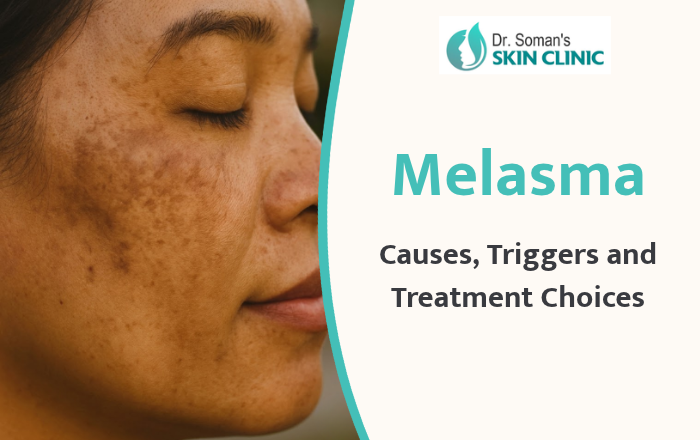
Melasma: Causes, Triggers and Treatment Choices Recent Posts All Posts Acne Acne Scar Botox Chemical Peel Treatment Dark circle Hair Care Hair PRP Hair Treatments HydraFacial Melasma Pigmentation Skin & Hair Care Skin Tanning Summer Skincare Melasma: Causes, Triggers and Treatment Choices Dark Neck: Causes, Treatment Options and When to See a Dermatologist How to Prevent Acne Marks From Getting Darker Botox: What It Treats and How Long Results Last Hair Fall in Women: 10 Common Causes and Treatments Why Acne Scars Happen and the Best Ways to Treat Them उन्हाळ्यात त्वचेचा काळपटपणा (Tanning) कसा टाळावा? Dark Circles Under Your Eyes: 7 Real Causes, Proven Treatments & When to See a Doctor How Many PRP Sessions Are Needed for Hair Growth? Brown or grey-brown patches on the cheeks, forehead, upper lip or nose are a common reason people visit a skin clinic. When these patches appear in a symmetrical pattern on the face, the cause is often melasma. It is not harmful, but it can be stubborn, and it can affect how comfortable you feel about your skin. This article explains the causes of melasma, the triggers that can make it darker, and the treatment choices doctors commonly use. It also covers what you can do at home. The right plan depends on your skin, so it should be decided after a skin examination. What Is Melasma? Melasma is a common skin condition in which patches of darker skin appear, mostly on the face. The patches are usually flat, uneven in shape and appear on both sides of the face. It is more common in women and often seen in people with medium to brown skin tones, which includes many Indian skin types. Melasma is caused by increased activity of the pigment-producing cells (melanocytes) in the skin. It does not hurt, itch or turn into skin cancer, but it tends to come back if the triggers continue. Types of Melasma A dermatologist may describe melasma by the depth of the pigment in the skin: Epidermal: pigment in the upper layer of skin, often brown and well defined Dermal: pigment in the deeper layer, often grey-brown with blurred edges Mixed: a combination of both Knowing the type helps in choosing the treatment, as deeper pigment usually responds more slowly. Causes of Melasma There is no single cause. Melasma usually develops from a combination of factors: Sun Exposure Ultraviolet rays and visible light stimulate the pigment cells. Sun exposure is one of the most important factors for the appearance of melasma and for its return. Hormonal Changes Pregnancy, birth control pills and hormone therapy are linked with melasma. This is why it is sometimes called the “mask of pregnancy”. Genetics A family history of melasma raises the likelihood that you will develop it. Skin Type People with darker skin tones have more active pigment cells, and so they are more prone to it. Common Triggers That Can Worsen Melasma Unprotected exposure to sunlight, including on cloudy days and near windows Heat from cooking, hot environments and similar sources Skin products that irritate or burn the skin Harsh scrubbing, waxing or threading over the patches Starting or stopping hormonal medicines without medical advice Some medicines and thyroid problems, which your doctor may check Untreated skin inflammation, such as from acne or allergy Stress and poor sleep, which some people report as a trigger If you notice that your patches become darker after a certain product or procedure, tell your doctor. How Is Melasma Diagnosed? Melasma is generally diagnosed by looking at the skin. The doctor asks about your medicines, pregnancies, family history, skincare routine and sun habits. A special lamp (Wood’s lamp) may be used to see how deep the pigment is. Other conditions that cause dark patches, such as post-acne marks, sun spots or reactions to cosmetics, can look similar, so an examination helps to avoid the wrong treatment. You can read more about pigmentation care in Karvenagar. Melasma Treatment Choices Treatment is chosen after assessing your skin type, the depth of the pigment and your medical history. It often combines several steps and needs patience, as improvement is gradual. 1. Sun Protection This is the foundation of any plan. Doctors commonly recommend a broad-spectrum sunscreen, applied every morning and reapplied through the day, along with a hat, sunglasses or an umbrella. Tinted sunscreens containing iron oxide may be suggested because they also protect against visible light. 2. Topical Medicines Creams that reduce pigment production, such as hydroquinone, azelaic acid, kojic acid, tretinoin or combination creams, may be prescribed. These can irritate or cause side effects if used incorrectly, so they should be used only as directed by your doctor, and for the time prescribed. 3. Oral Medicines In selected patients, doctors may consider tablets to support treatment. These are not suitable for everyone, and the doctor will review your medical history first. 4. Chemical Peels Superficial peels use a mild acid to remove the upper layer of skin cells and help lighten pigment. They are done in a clinic at suitable intervals and require proper aftercare. 5. Microneedling and Other Procedures Microneedling or lasers are sometimes considered when other methods are not enough. Because heat or injury can make melasma darker in some people, these options need careful selection by a dermatologist. 6. Maintenance and Follow-Up Melasma can return, especially with sun exposure or hormonal changes. Regular sun protection, a gentle skincare routine and follow-up visits help to keep it in check. Results differ from person to person. Home Care Tips for Melasma Use sunscreen every day, even when indoors near windows. Wash your face with a gentle cleanser and avoid scrubbing. Do not try home remedies such as lemon juice, toothpaste or bleaching creams, as they may irritate and worsen pigment. Avoid buying steroid or “fairness” creams without a prescription. Use only the products recommended by your doctor. Do not stop a treatment early without telling your doctor. For other pigmentation concerns, see this guide on laser treatment for
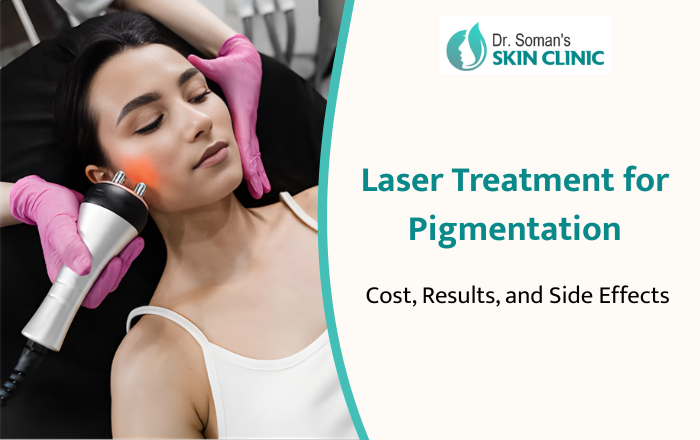
Laser Treatment for Pigmentation: Cost, Results, and Side Effects
Laser Treatment for Pigmentation: Cost, Results, and Side Effects Recent Posts All Posts Acne Chemical Peel Treatment Hair Treatments HydraFacial Melasma Pigmentation Skin & Hair Care Summer Skincare Laser Treatment for Pigmentation: Cost, Results, and Side Effects Healthy Skin Starts with Expert Care Skin & Hair Care January 6, 2026 Are you tired of covering dark patches on your face with layers of makeup every single day? You’re definitely not alone. Nearly 30% of adults deal with stubborn pigmentation issues like melasma, age spots, and sun damage that just won’t fade, no matter how many creams you try. laser treatment for pigmentation has become one of the most effective solutions for skin discoloration that refuses to go away. But before you book that appointment, you probably have questions running through your mind—How much will it cost? Will it actually work on my skin? What about side effects? In this blog, we’ll walk through everything you need to know about laser pigmentation removal—from real costs to actual results and potential side effects. Let’s dive in. What Causes Pigmentation on Your Skin? Before we talk about treatment, let’s understand why pigmentation happens in the first place. Your skin produces melanin, which gives it color. Sometimes, this production goes into overdrive, creating dark spots or patches. Common causes include: Sun exposure – UV rays trigger excess melanin Hormonal changes – pregnancy, birth control pills Aging – natural wear and tear on skin Acne scars – inflammation leaves dark marks behind Genetics – some people are simply more prone The most common types are melasma (those stubborn brown patches), sun spots (age spots), and post-inflammatory hyperpigmentation from old acne or injuries. How Does Laser Treatment for Pigmentation Work? Think of laser treatment for pigmentation as a smart eraser for your skin. The laser sends targeted light energy into your skin, which breaks down the melanin clusters causing those dark spots. Your body then naturally gets rid of these broken-down pigment particles over the following weeks. Different lasers work at different depths: Q-Switched Nd:YAG Laser – goes deeper for stubborn pigmentation Pico Laser – newer technology with less downtime IPL (Intense Pulsed Light) – works well for widespread pigmentation Fractional CO2 Laser – resurfaces skin while treating pigmentation Your dermatologist will choose the right type based on your skin tone, pigmentation depth, and treatment goals. This is especially important for Indian skin tones, as the wrong laser can actually make pigmentation worse. Laser Treatment for Pigmentation Cost: What You’ll Actually Pay Let’s talk numbers because this is probably your biggest question. In India, here’s what you can expect: Per session: ₹3,000 to ₹15,000 Complete treatment package: ₹20,000 to ₹80,000 What affects the cost? Type of laser used – Pico lasers cost more than traditional options Area being treated – small spots vs. full face makes a difference Number of sessions needed – usually 4 to 8 sessions Your location – metro cities typically charge more Dermatologist’s experience – skilled doctors charge appropriately for their expertise Most people need multiple sessions spaced 4-6 weeks apart. While the pigmentation laser treatment cost might seem high upfront, compare it to years of buying creams that don’t work laser treatment for pigmentation often proves more cost-effective in the long run. What Results Can You Actually Expect? Let’s be honest about the timeline because laser pigmentation removal isn’t magic—it’s science, and science takes time. Here’s what happens: Right after treatment: Your skin might look red or the spots may even look darker temporarily Week 1-2: Pigmented areas start to flake off Week 4-6: You’ll notice lighter, more even skin tone Month 3-6: Best results show after completing all sessions Clinical studies show that laser treatment for pigmentation achieves 70-90% improvement for most people. Sun spots and age spots respond best, while melasma can be trickier and might need touch-ups. How long do results last? Typically 1-5 years, depending on how well you protect your skin from the sun afterward. Yes, sun protection becomes your new best friend—non-negotiable! Side Effects: What You Should Know Every treatment has risks, and being informed helps you make better decisions. Common side effects (usually temporary): Redness and swelling for 2-7 days Crusting or scabbing as skin heals Temporary darkening before lightening Mild burning sensation Increased sun sensitivity Rare but serious side effects: Post-inflammatory hyperpigmentation (new dark spots, especially on darker skin) Hypopigmentation (lighter patches where treated) Scarring if not done correctly Infection if you don’t follow aftercare instructions Studies show that when performed by qualified dermatologists, serious side effects happen in less than 2% of cases. The key is choosing an experienced professional who understands your skin type. Who Should Get Laser Treatment? You’re a good candidate if: Creams and serums haven’t worked for you Your skin is healthy with no active breakouts or infections You can commit to sun protection after treatment You have realistic expectations (no overnight miracles!) You’re not pregnant or breastfeeding Skip it if: You have active acne or skin infections You’ve recently tanned or been in the sun a lot You form keloid scars easily You’re taking medications that make skin sun-sensitive What to Expect During Treatment Your appointment will typically last 15-45 minutes. The dermatologist will clean your skin and apply numbing cream to reduce discomfort. Most people describe the sensation as tiny rubber band snaps—tolerable but not exactly comfortable. After treatment, follow these rules: Keep skin clean and apply prescribed ointments Avoid makeup for 24-48 hours Use SPF 50+ sunscreen every single day (yes, even indoors) Don’t pick at any scabs or crusts Stay hydrated and moisturize regularly Common Questions Answered Q1. Is laser treatment painful? Most people find it tolerable with numbing cream. You’ll feel some discomfort, but it’s usually bearable. Q2. How many sessions will I need? Typically 4-8 sessions, but melasma often needs more. Your dermatologist will create a plan specific to your needs. Q3. Can it make pigmentation worse? Yes, if done incorrectly or on the wrong skin type. This is why choosing